
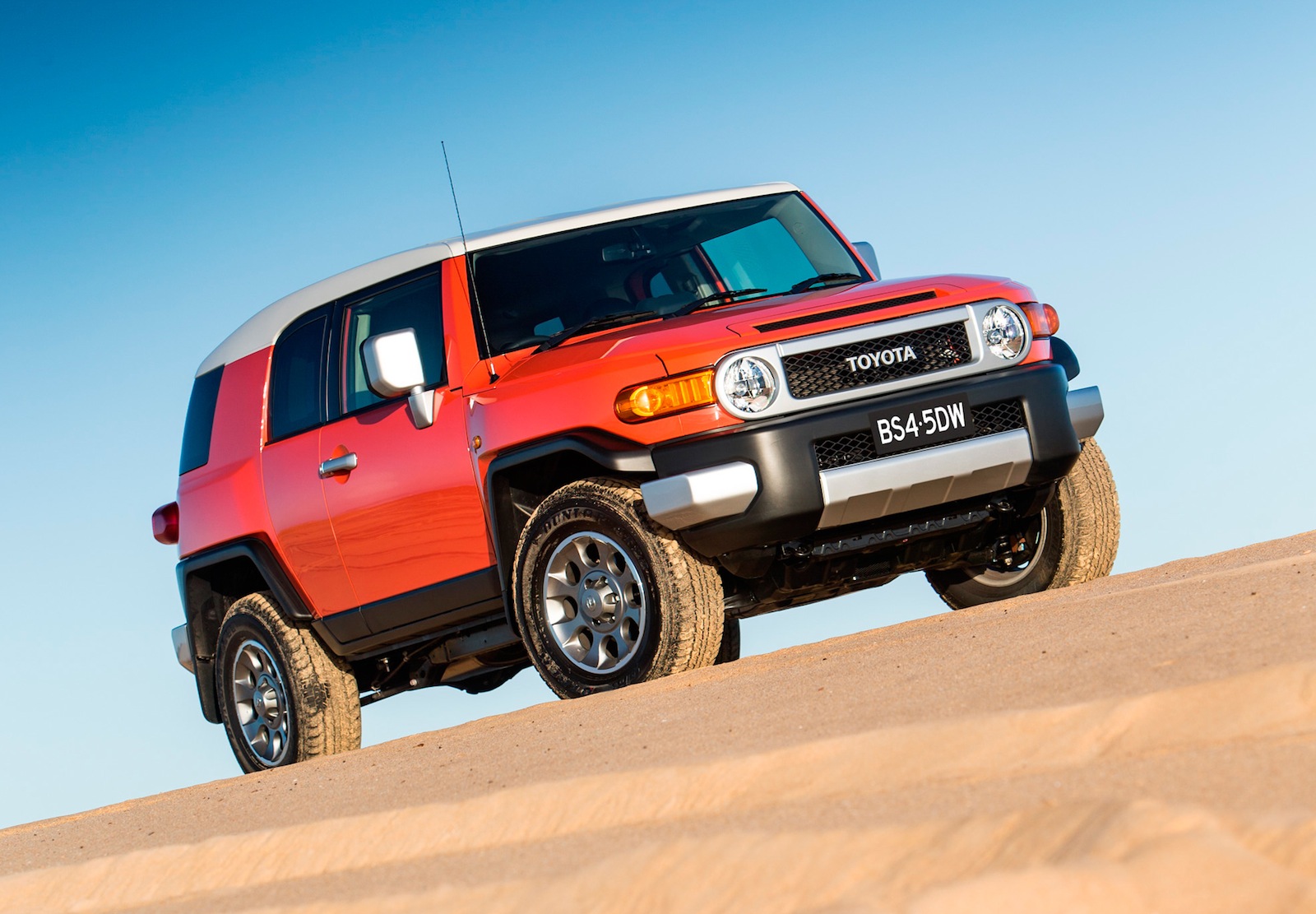
We have been working in green industry developments for a long time. We have a strong focus on clean technologies, starting the company EcoEnGines bv. (EEG Ltd) back in 2005.
“This is my world too and we want to be driving clean offroad today. Not helping to slowly destroy the world anymore are goals a lot of people share. Our team want to show you can do it, drive any 4×4 clean. Convert your offroad car to an EV now. And minimise your own pollution, change your life. e-Rovers team stopped talking and started designing, testing and building things”. Not before long, we met people who saw things the same way.
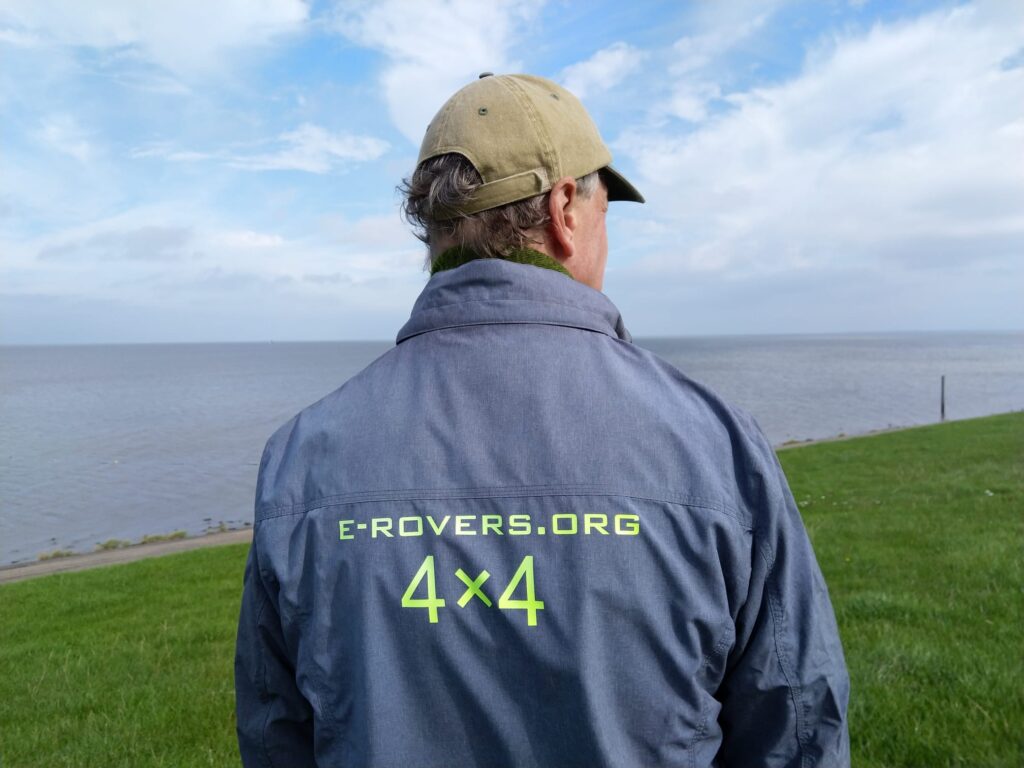
photo: Catharina Photography 2026
“Get on with it. That’s what everyone should do,” says the founder, “think in terms of opportunities, not difficulties”. “I wanted to show that Europe shouldn’t talk so much, but should do more”. e-Rovers was born.
TEAM
The team has experience in technical development processes and product validation. Our youngest academic is 28, our youngster in the team (mechatronics engineering). We are ambitious, collaborative, service-oriented and innovative and we think most of the time “outside the box”.
All team members have experiences gained offroads, enduro, in yachting, hydraulics, general metal constructions, classic (racing) cars and developing hybride drives. And hybrids that uses a combination of different technologies for propulsion or drivelines. We have roughly added up 135 years knowledge and all team members completing many different projects and studies. At the same time we continued driving 4×4 off road and racing cars, towing boat-trailers, horse trailers and smelling mud driving around offroad.
Our team was therefore ideally suited to invent something like 3-in-1 drive in 2015.
HISTORY
A brief overview of our past. The company EEG has designed and build biofuel gensets (based on Fiat/Lancia/Iveco/FPT engines), and developed hybrid-electric drives for small cargo ships, such as waste collection ships for the canals in Amsterdam and Berlin. As for hybrid water taxis in Venice (e-Marine). This way reduces fuel pollution by 75% whilst maintaining the same power output. And extra two-thirds cheaper per kilometre/mile due to lower total cost of ownership (TCO). Did you know that, on average, a single water taxi in Venice consumes 200 litres of diesel a day? And most of the fuel they burn from the airport to the city and back at 45 km/h, which is 25 knots. EV ships aren’t the answer to speeding, but cutting back by 75% is easy. The entire investment will be re-couped within two years. Do it Venice. We’re talking to a brick wall again.
The strange thing is that the city of Venice pays all the diesel costs, whilst the taxi boat owners couldn’t care less that we’re two-thirds cheaper. They’re not the ones footing the bill, are they? It’s similar to our wooden houses. The government don’t care. Taxpayers aren’t aware of this. This is a brief digression on the frustrations we face throughout our lives. Who will help us tear down these government walls?
We’ll carry on our history with EV-hybrid-citybusses in the UK and also experimented with flywheel technology (to store energy without an expensive battery). And the use of bio polyester and hemp reinforcements (instead of glass) back in 2007 for our electric boats (dutch sloep). Continue designing tiny houses using only organic waste materials. Pressed into a thick, strong wall that you can quickly build like Lego blocks.
We stopped doing these eco-houses because governments continued to build the old way. You can still order the eco-generator sets for boats from us. These 1.3jtd are now available for boats from 8 metres (27 feet) up to 15 metres long (50 feet) based on the Iveco 3L, with our own computer and software for the common rail control system. This is also well suited for military use.
Project electric 4×4
We started this Project funded out of EcoEnGines bv with one question: “How would I convert my own V8 petrol/gpl Range Rover to a 100% electric one, without spending a lot of money? I own the car.” To immediately head the joke about those Dutch people (we hate spending money).
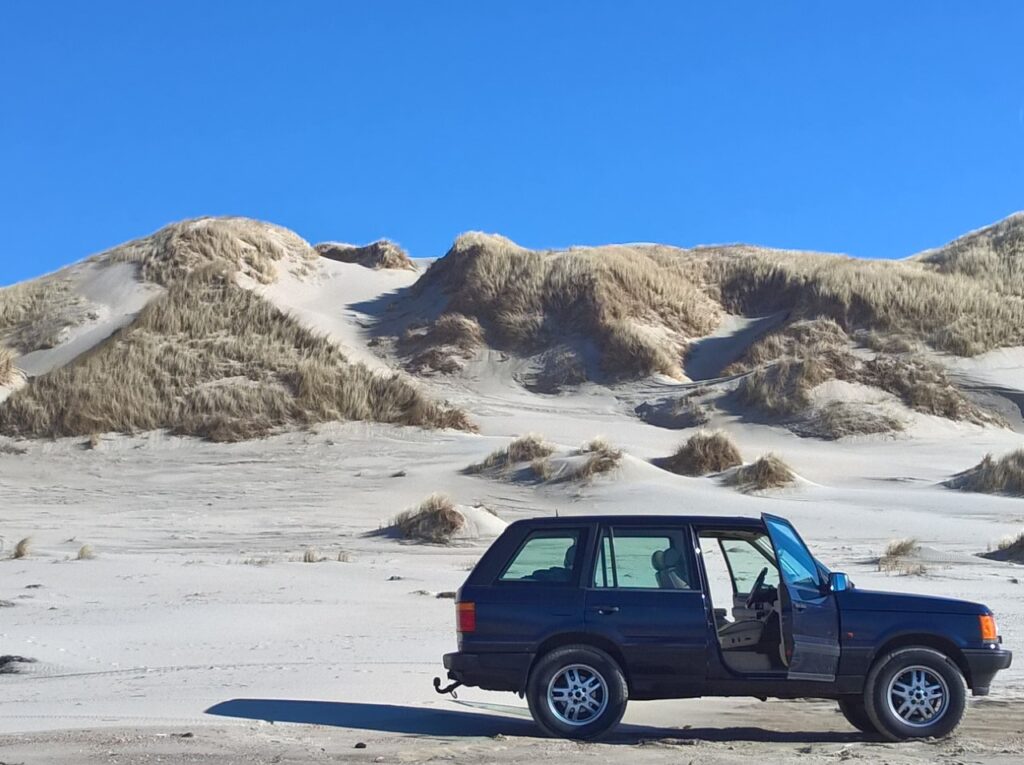
The project electric named e-Rovers was found immediately, driving on the dutch beaches of Terschelling we told before.
Today
e-Rovers is a small innovative Dutch company, operating at the intersection of sustainable mobility, smart engineering and big supporter of the circular economy. The result is a dutch development of our 3-in-1 electric powerhouse. We are a producing factory now and undependent. Product first. But always bear in mind that, at a later stage, you will need to grow and convince others to join. We have been funding this project with our own money since 2015. Plug-it-in & charge & go.

New rules are a great help

e-Rovers re-use 85+% of the car/truck. We obtain today these new rules allready. (source: https://link.europa.eu/Yfvhjk) Visual by Karikatūra.Lv.
Outside Europe
The challenge of switching from fossil fuels to electricity is a global issue. There are loads of nature conservationists all over the world. Just have a click:
https://www.thelongrun.org/our-members Can we connect a group of people who are willing to contribute? Please get in touch.
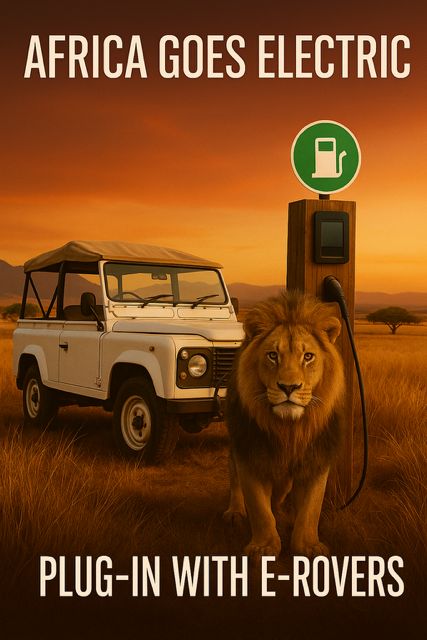
Graphics Doeke De Steur (Creative Media Network), based on an idea by Gijs de Jong, in response to numerous requests from Africa.
Why AFRICA
The main issue is in Africa that those 4×4 cars, with 600,000 km/375,000 miles on the clock, are reaching the end of its useful & technical life. An engine, gearbox and two axles overhaul can be done for 20K, but that would mean another 30 years of burning fuel in the middle of nature reserves. How can we prevent this? e-Rovers is the way to go.
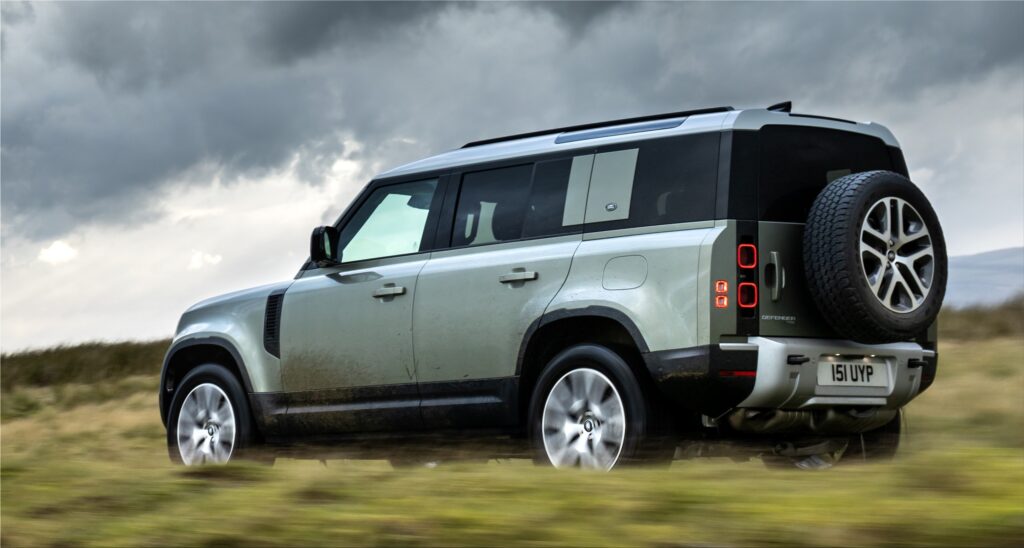
A sturdy, reliable 4×4 EV isn’t available to buy. We’ve heard the story of a new hybrid Defender that broke down four times whilst out among lions and hippos… lovely. The Defender was sent back: unusable. Below is an article about the car industry today: the “car supermart”, where factory is building the same platform – but not a rugged strong watertight 4×4 EV platform.
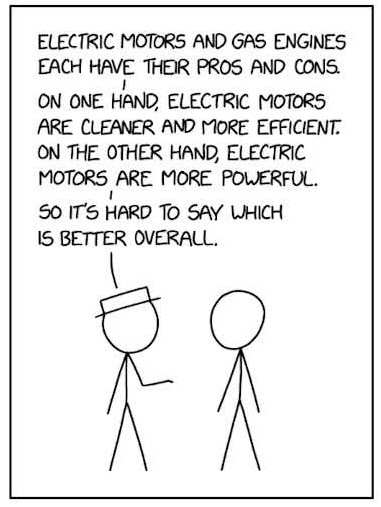
Changing views
We changed our views after the ugly truths about the oil industry came to light. The Club of Rome also released alarming figures. We decided to focus on a larger global market: that of high-emission off-road vehicles. Driving environmental offences, so to speak.
Stop destroying the Earth.

Check this out
We’ve got a really cool event here in the Netherlands: anyone can take a test drive on the Formula 1 circuit in an electric car of their choice. You get to race through the very same bend where Max Verstappen had that spectacular crash. How brilliant is that? Max with 50% battery, and you with 100%. Go:
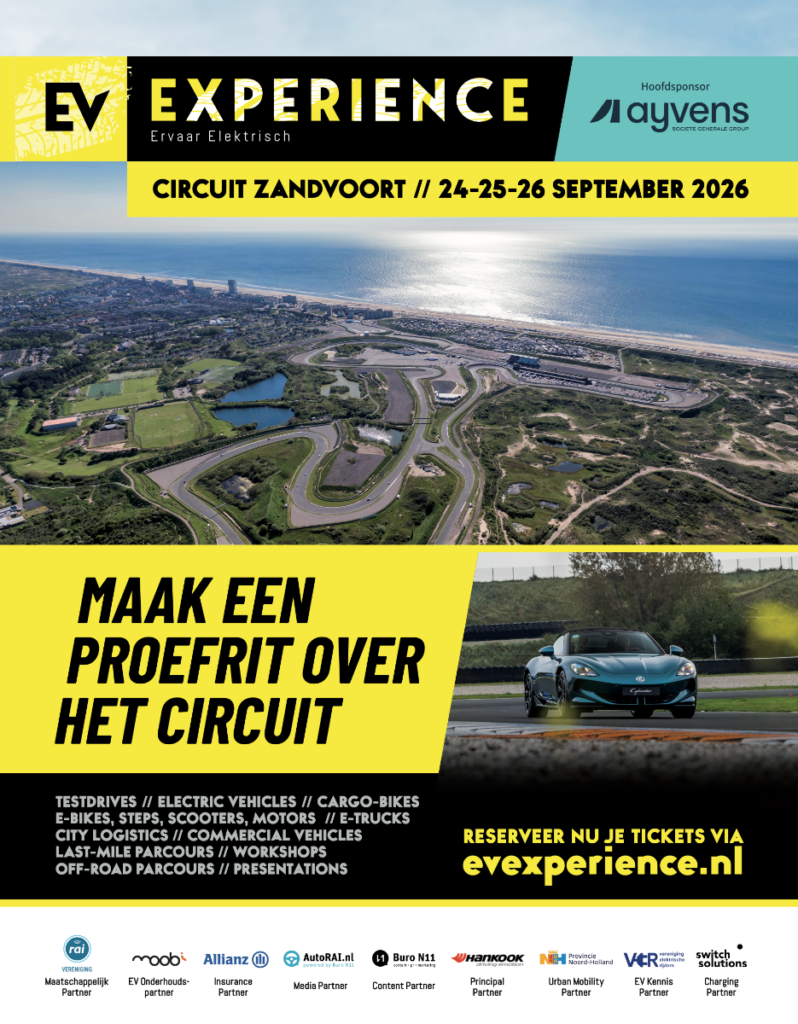
Translation: Take a test drive around the circuit.
OWNERSHIP
We believe in taking full ownership and responsibility in every aspect of our work. Our most remarkable achievements come from teams that embrace this mindset. The idea is to empower our people with the right conditions to own their projects and ultimately, drive success.

Oops and shock
We are often asked this question: “when was the moment you realised that things were going wrong?” How we’ve shifted from relying on fossil fuels (petrolhead) to trying to be self-sufficient: drastically reducing your carbon footprint. Dirtydancing:
The first reports came as early as 1982: Shell knew, BP knew, they all knew ? (Bilderberg conferences have been addressing major global issues since 1954, started in the Netherlands and this year in Stockholm)
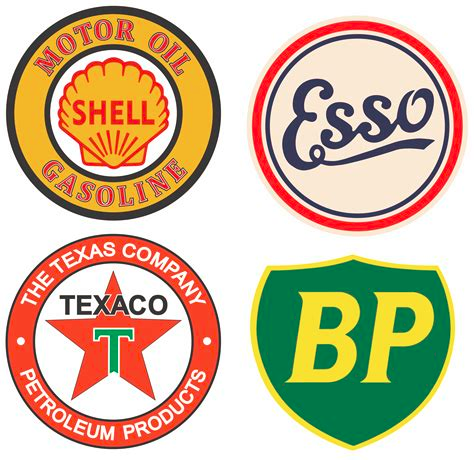
Drill baby Drill says USA today, but around 2005, the first media came out that there had been reports (by Shell) since 1982 about how bad the pollution actually is. A scandal.
How will Shell and BP earn their money in the future? “New oil and gas fields will never be profitable”. After years of climate resolutions, shareholder collective Follow This is changing tack. Let Shell and BP explain how they will remain profitable in a world with less oil and gas, says founder Mark van Baal. The question is whether oil companies share these concerns.
“Until we stop burning fossil fuels, the climate will continue to warm and heat waves will become more frequent and intense. It’s as simple as that” (Frederieke Otto, climate scientist, april 2024).
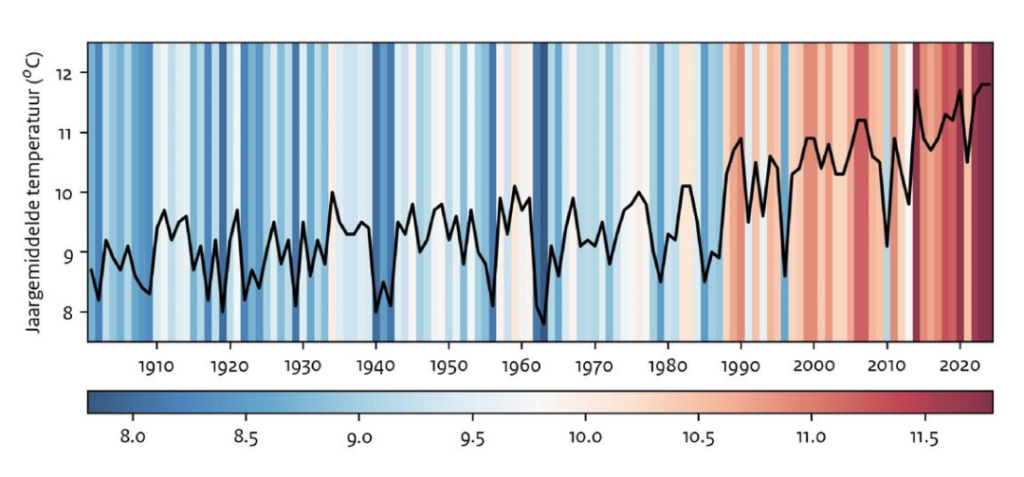
“The climate problem is well known; stop burning fossil fuels now it’s time for solutions” says Bernice Notenboom, who has crossed deserts, reached the South Pole on skis, climbed Mount Everest, and worked for NASA and ESA. (Dutch newspaper Trouw, 11 October 2025).
e-MARINE
We mentioned it briefly above. Here’s a slightly more detailed explanation of why. We started designing and manufacturing this cleaner boatdrive system back in 2005. Designing a hybrid propulsion systems, primarily for ships. Our biofuel-hybride-electric e-drive is designed for commercial taxiboats (Venice, Berlin, Amsterdam etc).

Saves the user money: three-quarters of their annual fuel costs. The investment pays for itself within two years. We can still supply this hybride drives.

A good example is that in Venice, the local government pays for the fuel, not the taxi company. Strange, isn’t it? So millions of litres of diesel are burned every year in that beautiful stretch of sea. The world is often a strange place. This italian government could therefore save thousands of euros and achieve a 75% reduction in emissions. Calculate this over 15 years please.
From e-Marine to e-Rovers
So the step to electric conversion for strong offroad cars is not that big. The 4×4 market is very large, much larger than for ships. So we switched to offroad rugged cars. Where existing EV technology cannot be used.
Seems clever but is actually stupid
Nowadays, all car manufacturers are producing a huge number of variants using exactly the same platform. As a result, the unique selling points of each brand are completely fading away. They’re gone – it’s all look-a-likes. This presents a huge extra advantage for e-Rovers.
VW =Audi, Lamborghini, Porsche, Seat, Skoda and Cupra. Stellantis = Alfa Romeo, Citroën, Chrysler, Dodge, Lancia, Maserati, Opel, Peugeot and Jeep. Called Smart Car Platform. Chineese Geely = Volvo, Polestar, Zeekr, Lotus. We’ll just mention three of them – there are eleven big car factories in total.
Because of the platform strategy, they’re all losing face. None of the eleven manufacturers have a genuine 4×4 electric vehicle, capable of handling the heavy-duty work of a Land Rover or Toyota Land Cruiser etc, in their future plans. There is simply no money available for this. It fits in no-platform. They are too expensive to new develop and the market is too small to sell these. But that is no solution for the more than 3 million genuine 4x4s currently on the road, or in the furture to convert. These 3 milion are being left to fend for themselves. That is precisely our market. At the moment, all that is being produced are meaningless, run-of-the-mill cars, look-a-likes. Boooooring. Nobodies.
This is known as the “platform strategy”: it means that, as a car manufacturer, you base as many models as possible on the same technical platform. Take VW, for example: the Cupra Born is a modified VW ID.3, the Škoda Superb is a Passat, the VW ID.4 is an Audi Q4 e-tron, and the Škoda Enyak is also the same as the small Porsche or big Audi e-tron, and so on. (Source: article by Bas van Putten, NRC, 1 August 2026).
Look, we’re making a perfect electric axle that’ll fit any 4×4. Even those with independent suspension. What if we were to build a new EV 4×4 using a newly galvanised chassis and a new body from a Defender? We’ll explore this idea further on the last page. then we’ll build a distinctive 4×4 from scratch too… Not boooooring but hip & cult. Same price as a Tesla or medium EV you can buy new….. Intersting no?
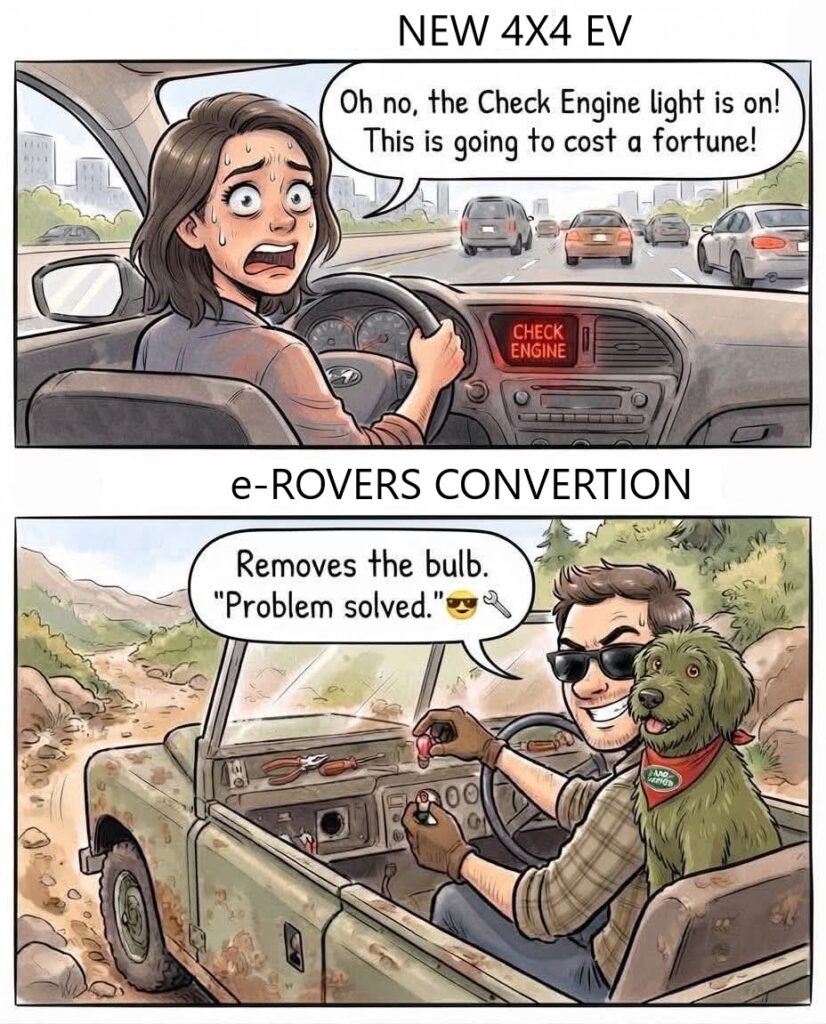
To look beyond the horizon
If we look further ahead, based on our e-axles – which we can build into a new chassis, something that is already happening on a large scale. There is one final step to take: the bodywork is also currently being redesigned. Sold new also.
Yes, e-Rovers can produce a new all-wheel-drive vehicle powered by electricity. But the time is to early for that now. First, let’s deliver the thousands of 4×4 vehicles and help those people: no more burning fuel for the next 25 years.

e-Rovers founder
Why does this e-axel idea come from the Netherlands? Probably because we are a small country, with a large population polluting cows, pigs and chickens, shitting all day long (116 milion on 18 miljion people, CBS). Too many tulips and a dirty industrial sector;
We feel a strong need to protect the environment from the mindset of ‘making money at the expense of destroying nature’. Now, this will be a tough nut to crack, particularly for all the generations after us.
By cutting back and changing your mindset, we can quickly build up a strong resistance to this. Circular economy, the polluter pays, price increases for polluting activities. Trias-Economica. And together we can converting thousands of 4x4s that already exist (!) to electric and clean, making them free for the future. That is the reason behind the creation of e-Rovers.
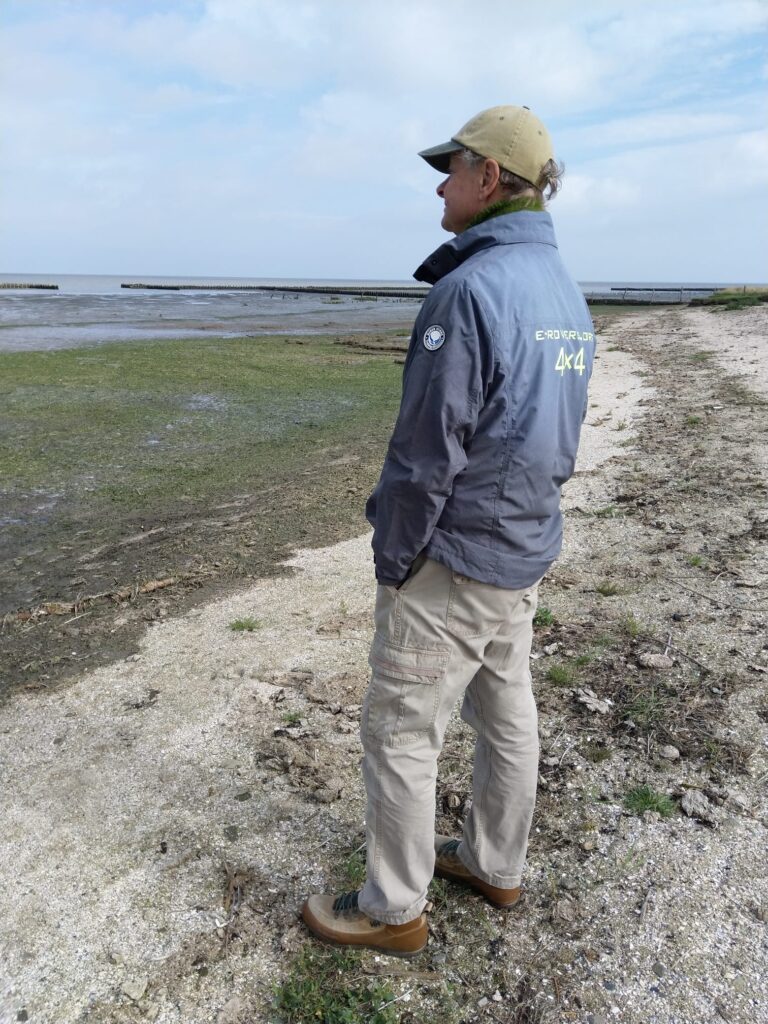
photo: Catharina Photography 2026
Here you can see the founder standing at the edge of the mudflat area Waddensea; this is a (Unesco) stretch of natural sea-landscape that runs from Den Helder to Skagen Denmark. Twice a day, this area falls dry, making it the largest active tidal flat world-wide. This area is threatened by rising sea levels, caused by global warming. If you know half of the Netherlands lies below sea level (dikes). A real necessity, to act now. To many pigs, cows, chickens, goats, too much fuel cars, airports, farmers glyphosate, roundup etc.) for a small country. (Dutch Total size 300x200km/190x125miles and 18 milion people)
This has turned us into activists. We are supporting all those nature lovers around the World: https://www.thelongrun.org/our-members check them out.
The Long Run society clearly shows that equipping all those parks with e-Rovers technology is a massive undertaking for an investor. The impact we were able to calculate is equivalent to eliminating the pollution levels of 22 cities the size of New York…
Petrolheads
We’re leaving this bit in simply to show you that making the switch is perfectly possible. Even if you’re head over heels in love with your car & sounds. V10 Formula 1 in 1995…..
Our team’s belief itself has changed over the past 25 years. We are demonstrating here that we have always been technically minded, certainly in the past as well.
We used to be petrolheads too. The whole team. We dip into our own pockets. Here are some examples from the past. It is only fair to admit that we have also been huge polluters.

We love Rob Slotemaker racing his 550Hp Camaro V8 at the Zandvoort race track. The Dutch most famous racing driver, far ahead of Max Verstappen. I was racing myself and having fun in Alfa Romeo’s, FF1600, Oldsmobile V8 and Husqvarna enduro bikes during the 90ties. Speeding up wooden Hacker crafts V8 on lakes.
We love Baby Bootlegger, originally used a 1.000 cubic-inch V-12 Lycoming aircraft WW1 engine, replaced by a water-cooled Hispano-Suiza V-8 aircraft converted to a marine engine, producing 300Hp. Designed by George Crouch in 1924, built by Henri Nevins. Won the Gold Cup in 1924 and 1925:

Watching Racing Wooden & Classic boats with exotic names such as Pardon Me, Thunderbird, El Lagarto, Bootlegger, Peerless, Dolphin, Kitty Hawk, Belle Isle Bear Cats, My Sweetie, among others. In the 1930’s, the celebrated boats were named “The Steinway of Runabouts”. After the war this continued:
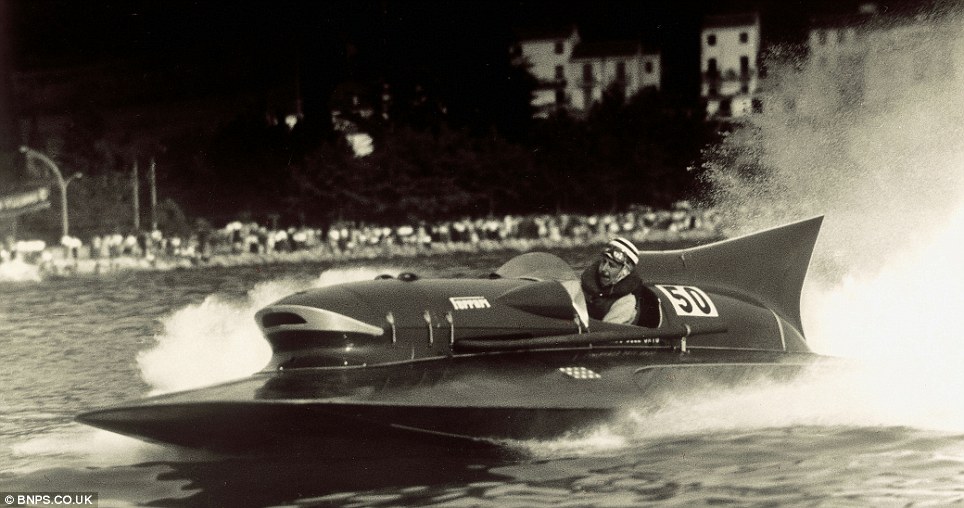
“As the Scriptures said in the past, carry on until it lasts…” quote Guido Moroni, friend of Bruno Bonini and Achille Castoldi (check wikipedia). Just put a V12 Ferrari petrol engine in it and off you go!

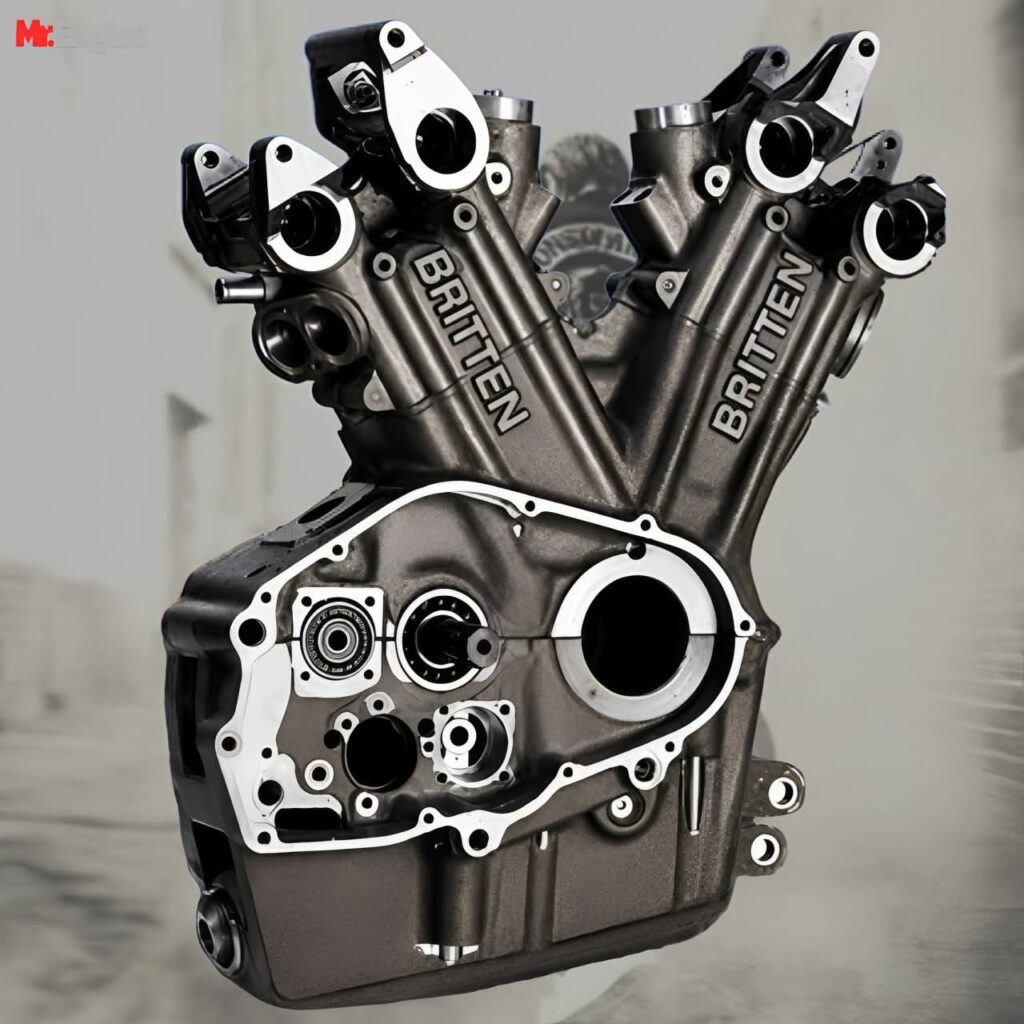
Check him out: the last real innovator of the petrol racing bike: John Kenton Britten was a New Zealand mechanical engineer who designed a world-record-setting motorcycle with innovative features and materials. We love him.
https://en.wikipedia.org/wiki/John_Britten
Our team changed in 2005, we “killed” the petrolhead in our brain.
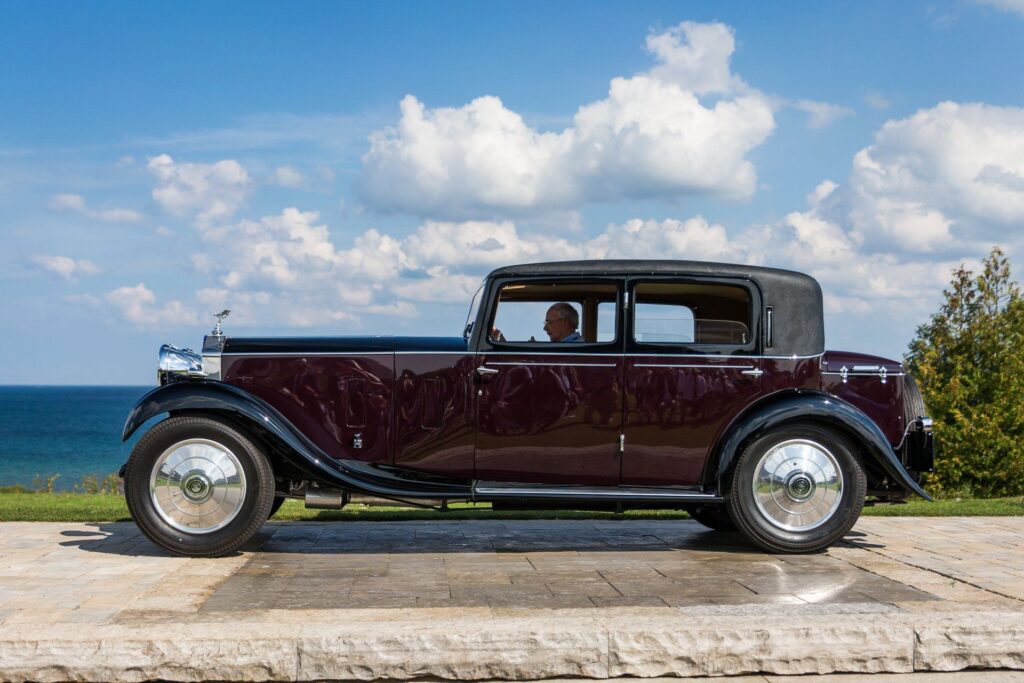
An interesting point for discussion is whether we should also convert our heritage buildings to electric power. We don’t think so. The pollution caused by these rare monuments is negligible – so minimal it’s impossible to measure.
An exquisitely beautiful example is the 1932 Rolls-Royce 20/25 J.Gurney Nutting. RR supplied only the chassis. Coachbuilders, who used to make horse-drawn carriages, kept pace with developments in the motor car. This explains why only a few of the following coachbuilders have survived as a form of art. Egerton, Radfort, Barker, Hooper, Mulliner, Park Ward, Weyman, Gurney Nutting, Thrupp & Maberly etc.
Only 3,800 were ever made based on the same RR chassis, engine, unto bulkhead, but 80% of them are still on the road today…….. Good cars always find a new happy owner.
https://en.wikipedia.org/wiki/Rolls-Royce_20/25
But, actually, we all know by now that we cannot carry on destroying nature like this. So let’s stop it and cut our consumption by at least 50% each.
Starting today.

END, 3 pages to go.